Scars Tattoo Cover-Up Ideas
Scars don't have to be the first thing you see. The right cover-up turns raised or discolored scar tissue into deliberate art — dense black-and-grey shading and flowing botanicals hide texture and edges best. Upload a photo to see realistic scar cover-up designs before you book an artist.
Designs that hide scars well
Cover-up ideas in the styles that cover scars best. Click one to try it over your own photo.
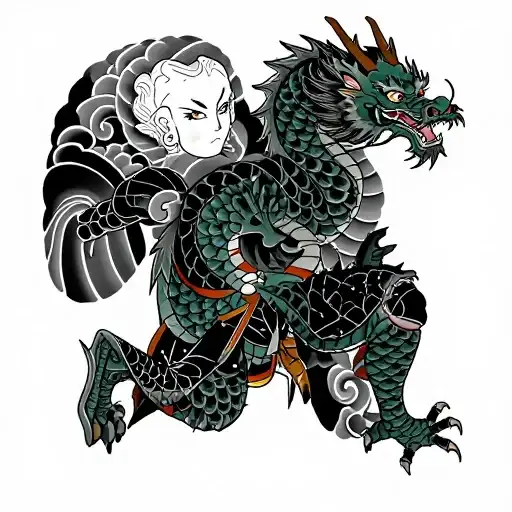
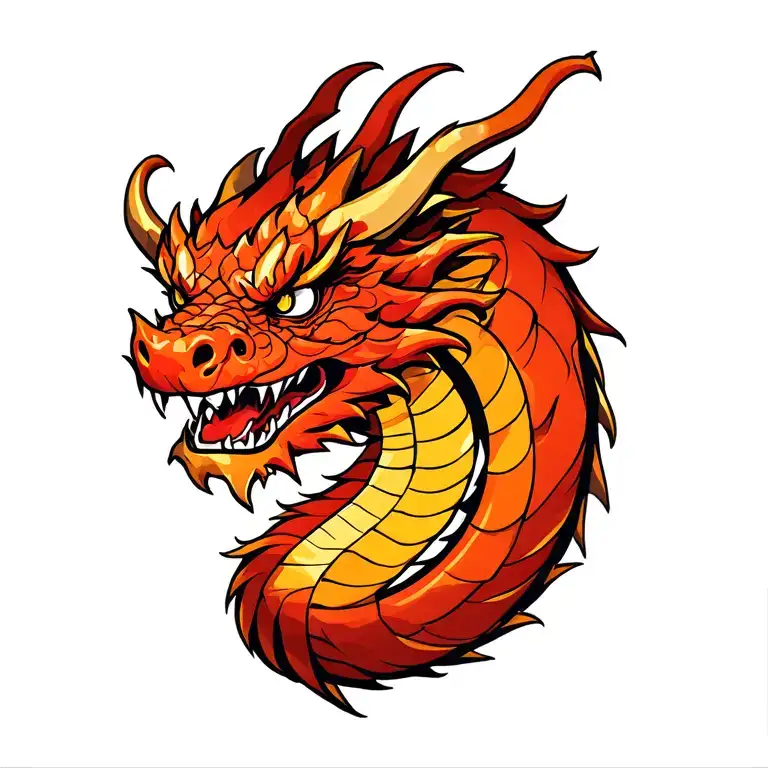
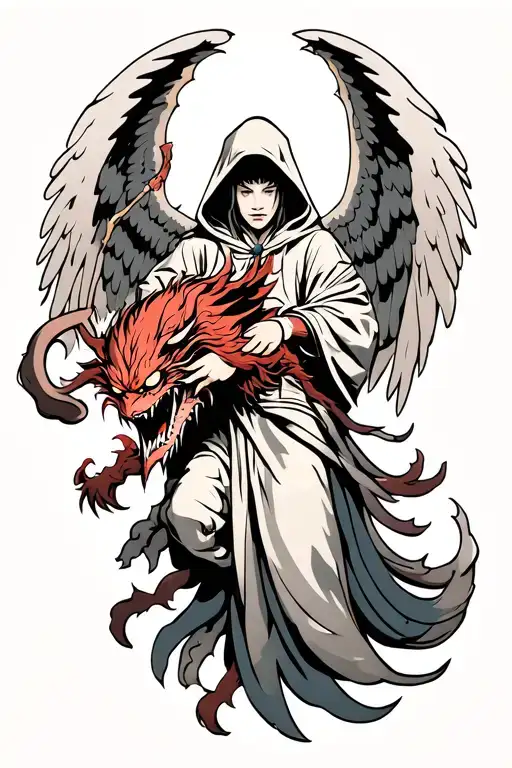 JapaneseGenerate similar →
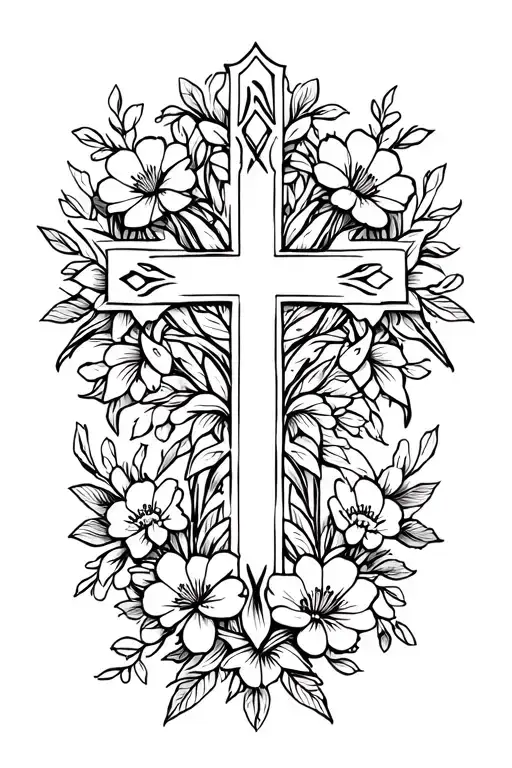
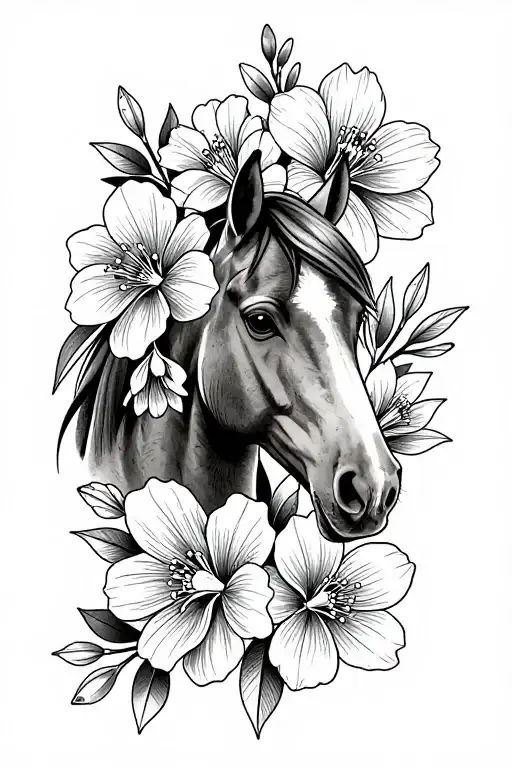 FloralGenerate similar →
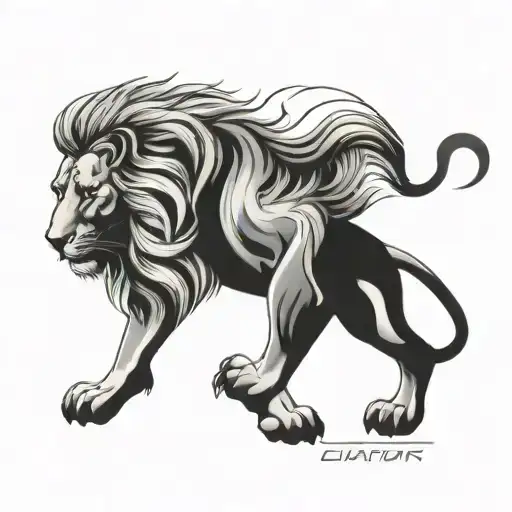
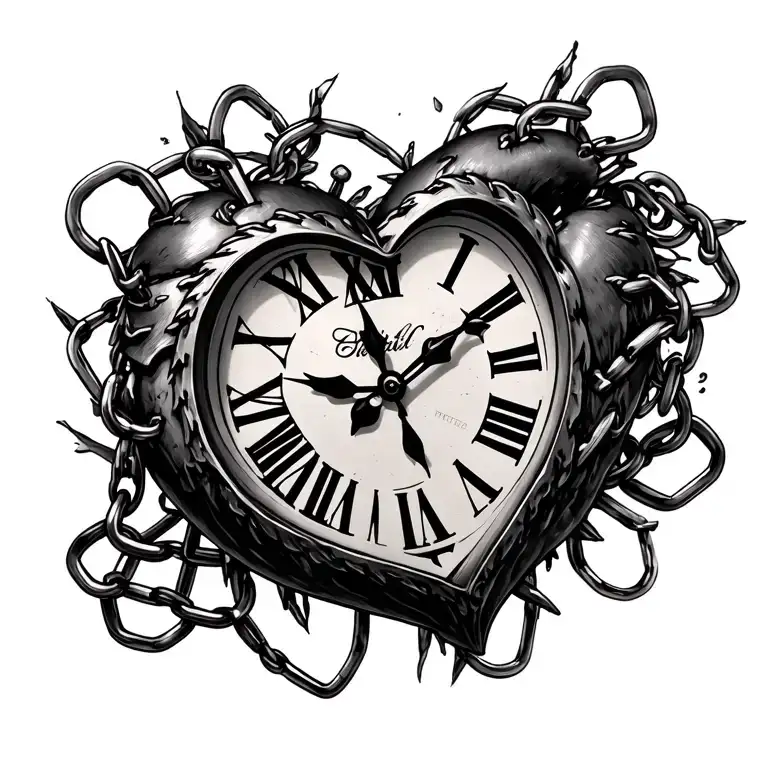
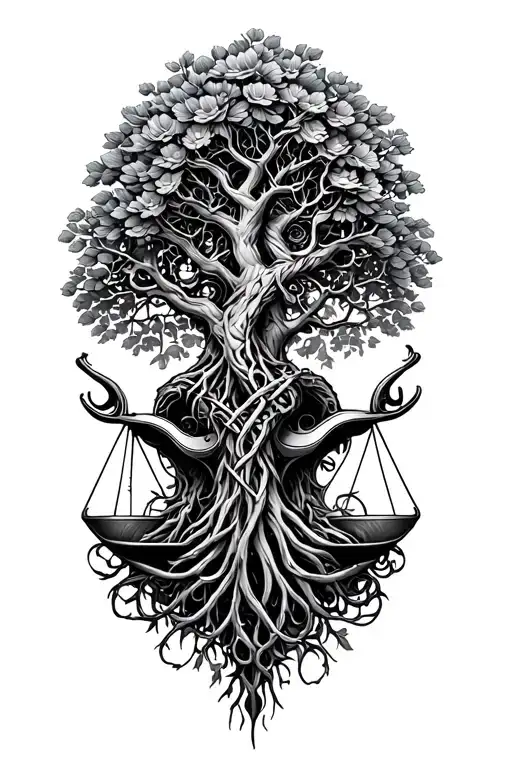
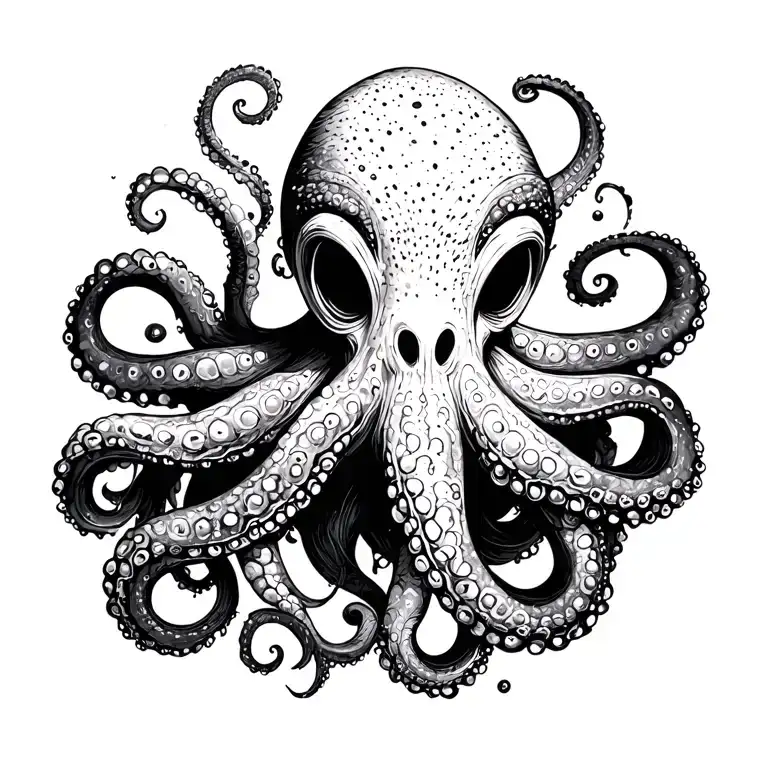
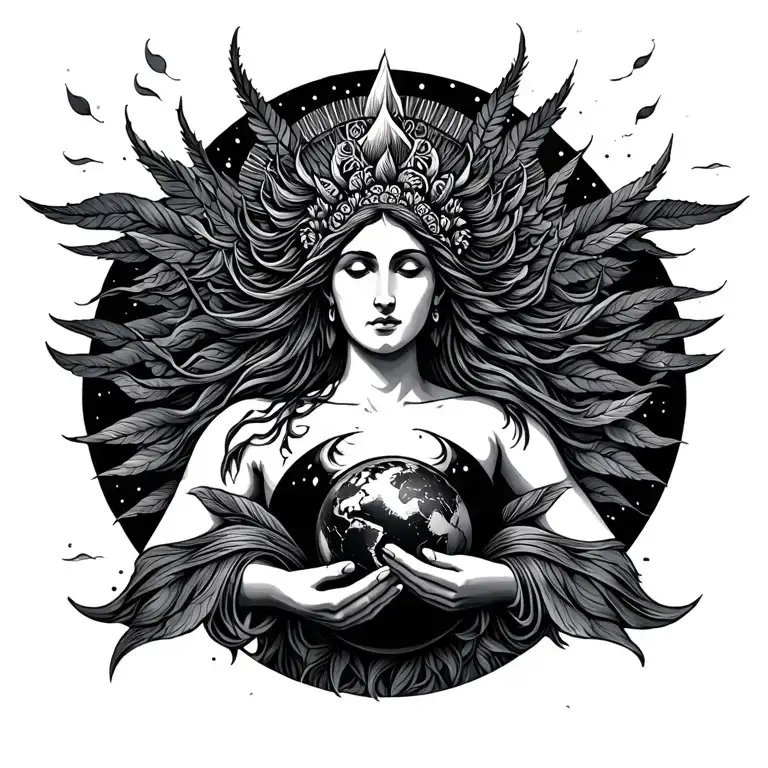
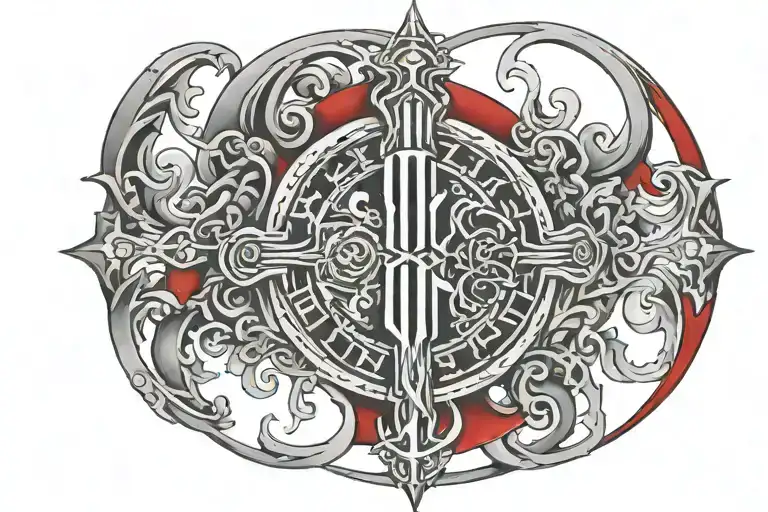 Black & greyGenerate similar →
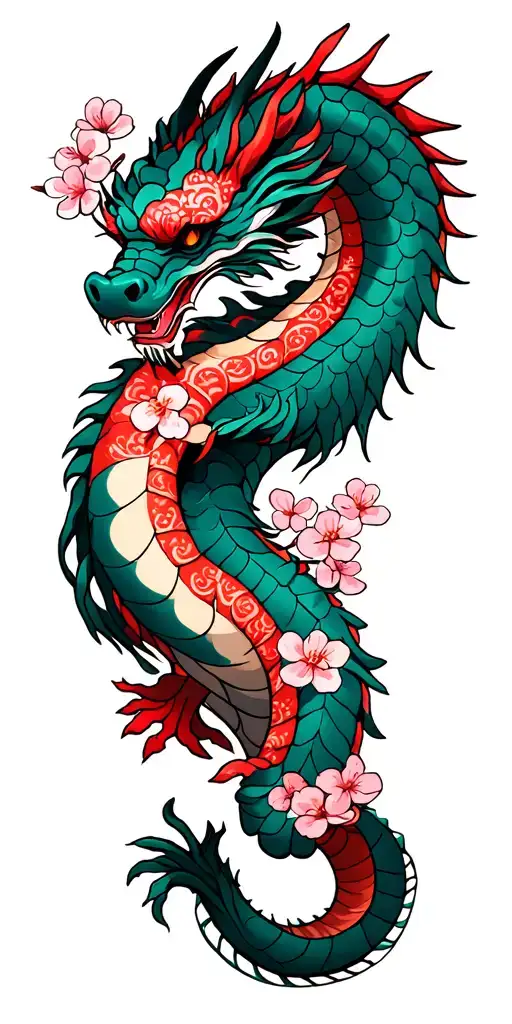 JapaneseGenerate similar →
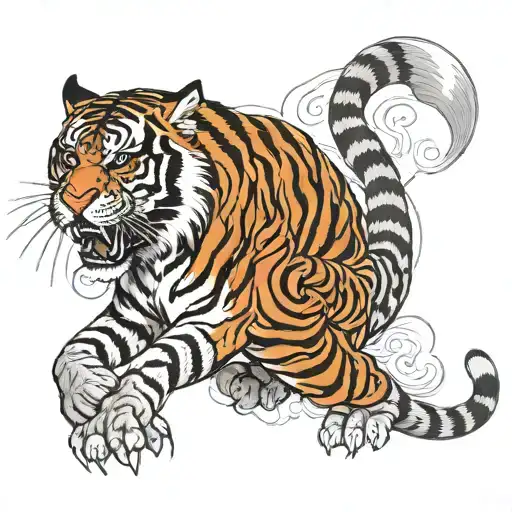 JapaneseGenerate similar →
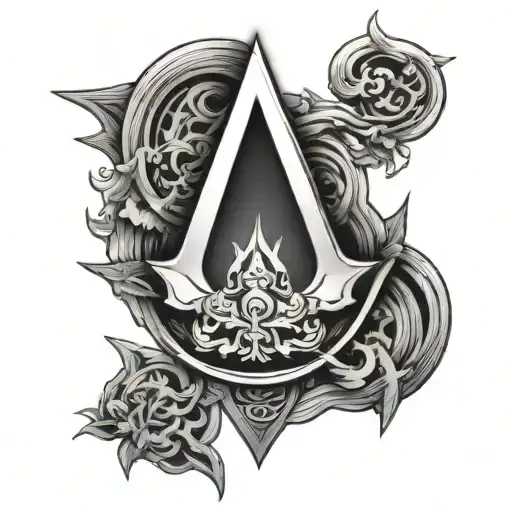 JapaneseGenerate similar →
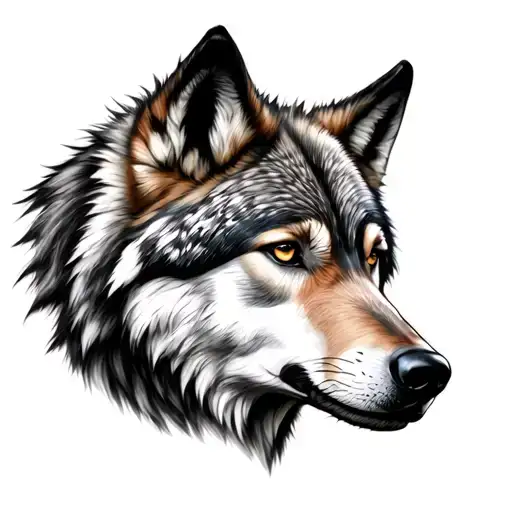
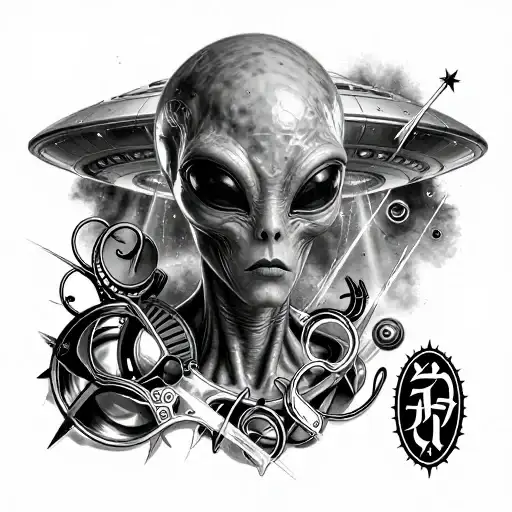 RealismGenerate similar →
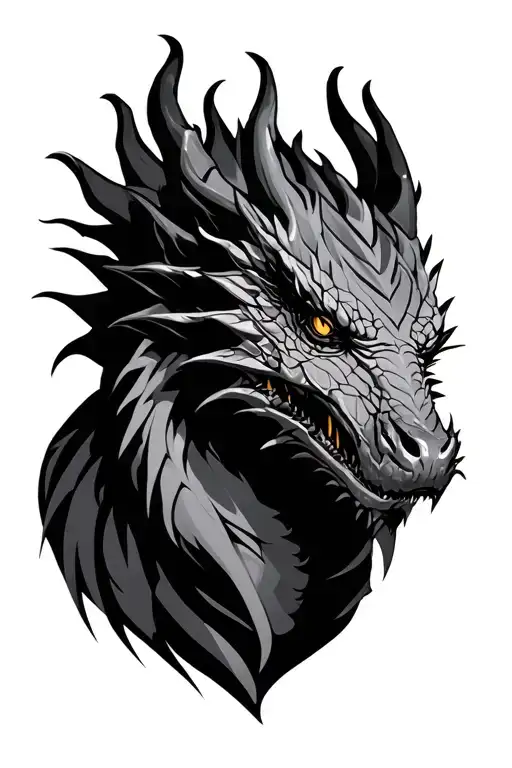
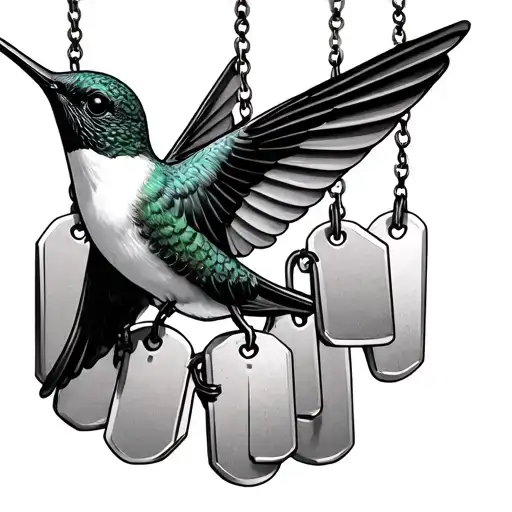 Black & greyGenerate similar →
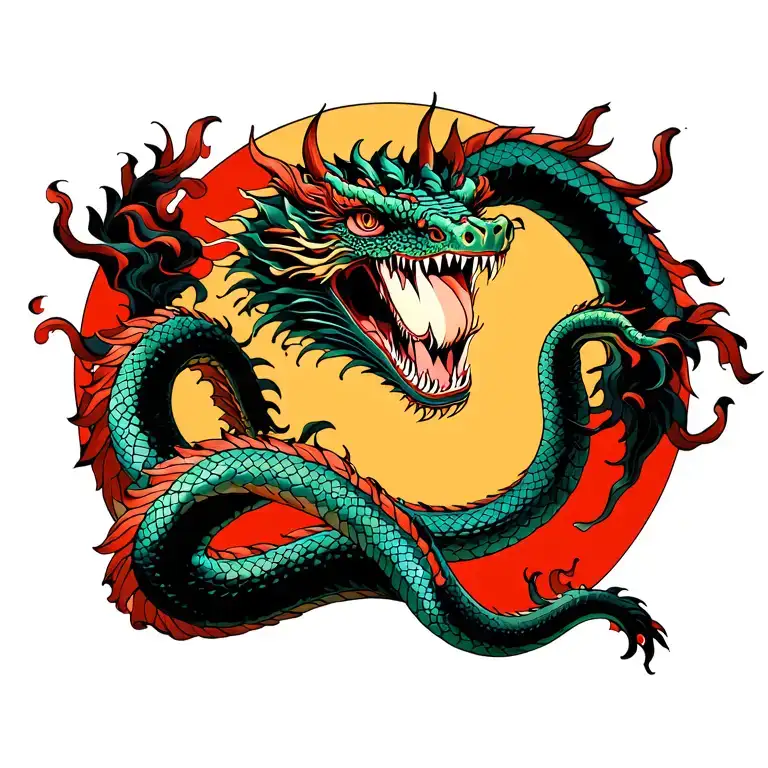 JapaneseGenerate similar →
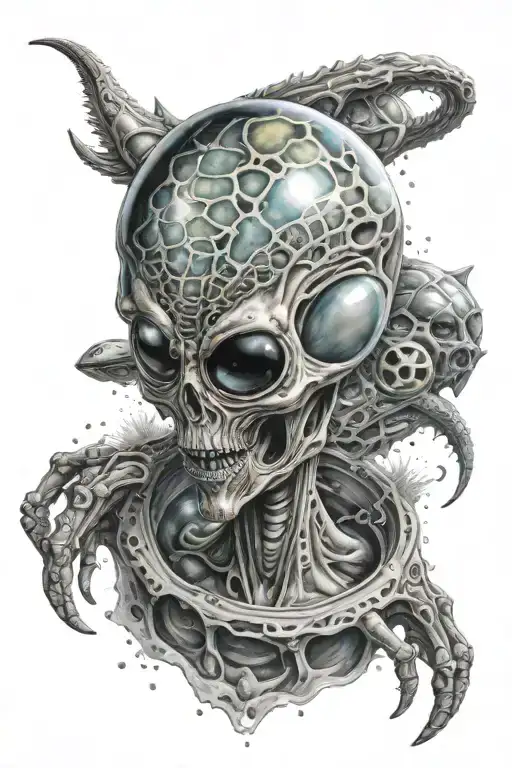 RealismGenerate similar →
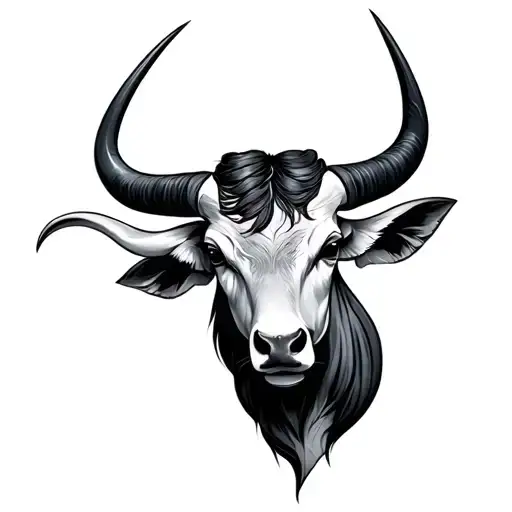 Black & greyGenerate similar →
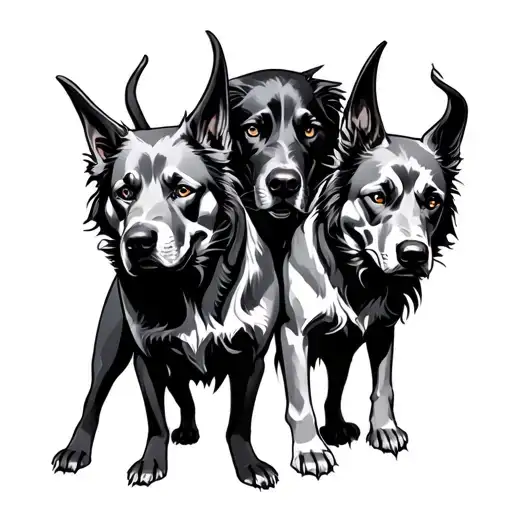 Black & greyGenerate similar →
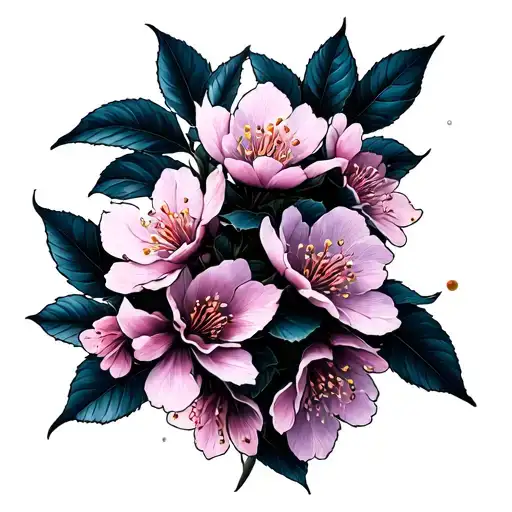 FloralGenerate similar →
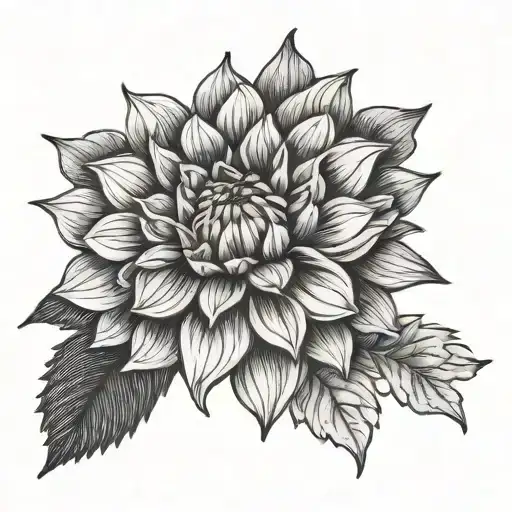 Black & greyGenerate similar →
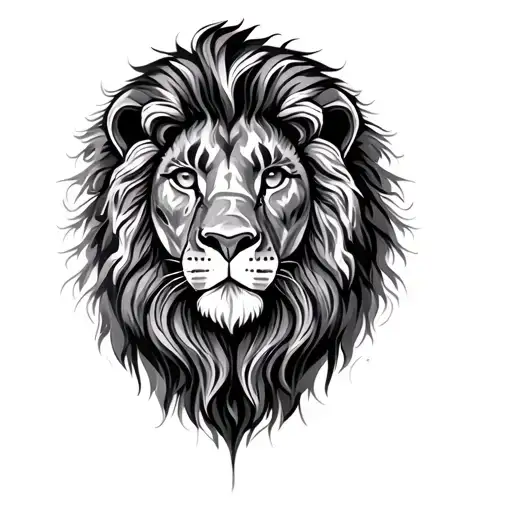 Black & greyGenerate similar →
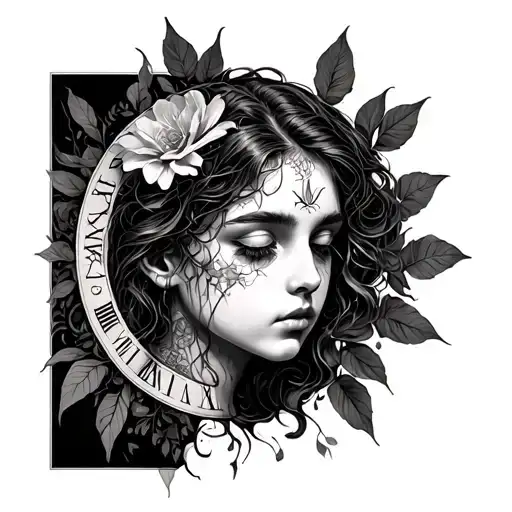 Black & greyGenerate similar →
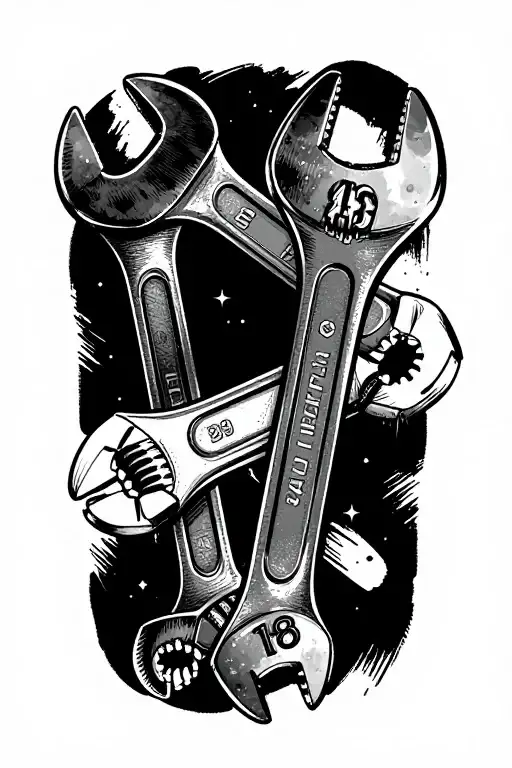 Black & greyGenerate similar →
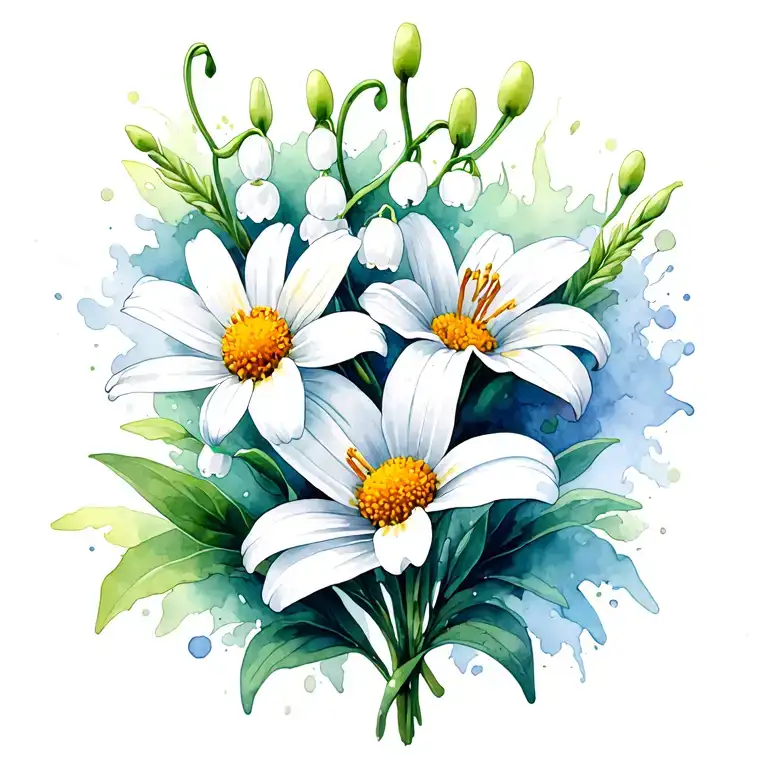
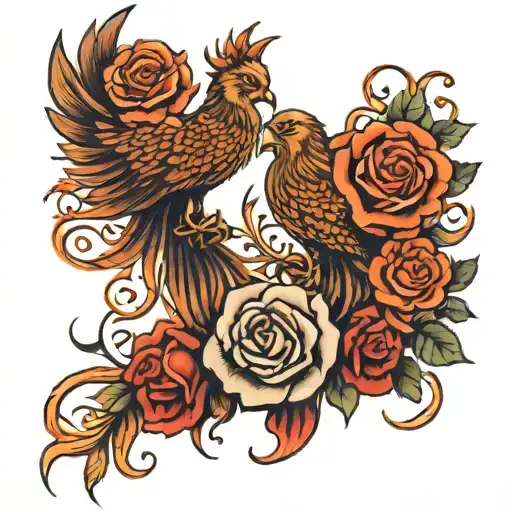 FloralGenerate similar →
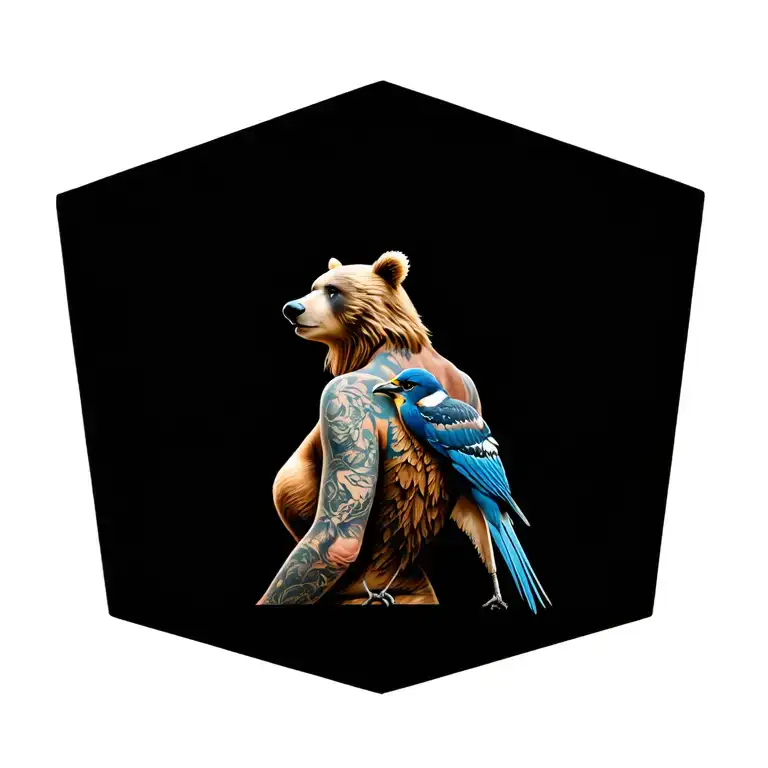 RealismGenerate similar →
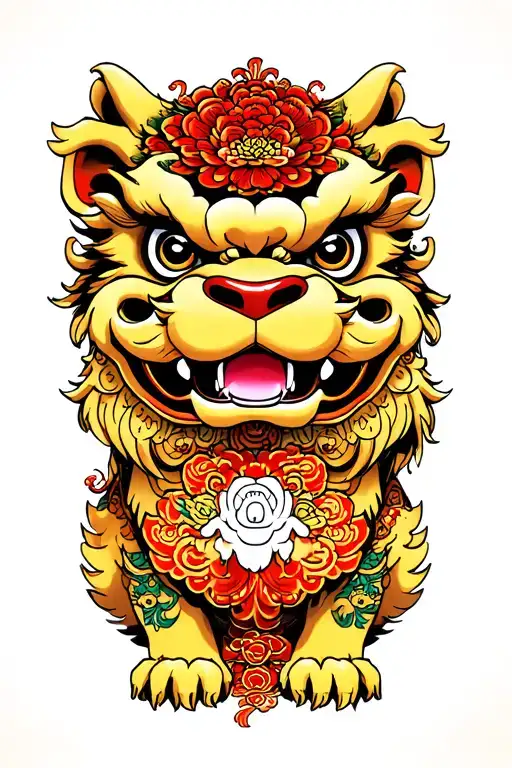 JapaneseGenerate similar →
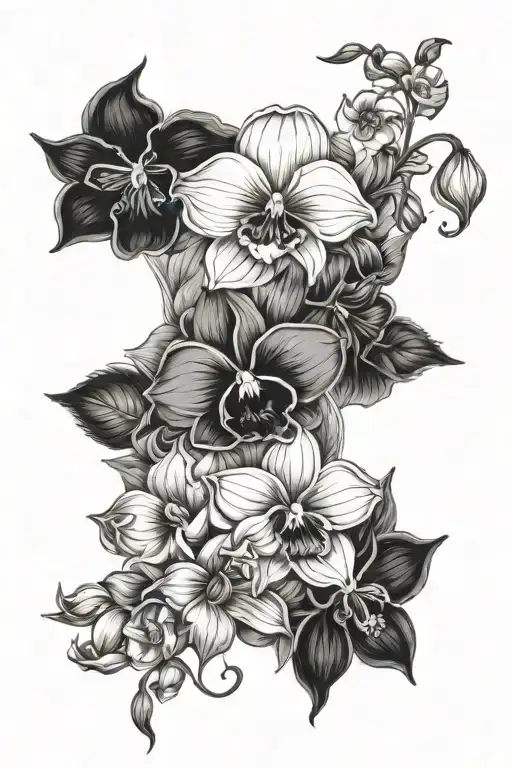 Black roseGenerate similar →
 FloralGenerate similar →
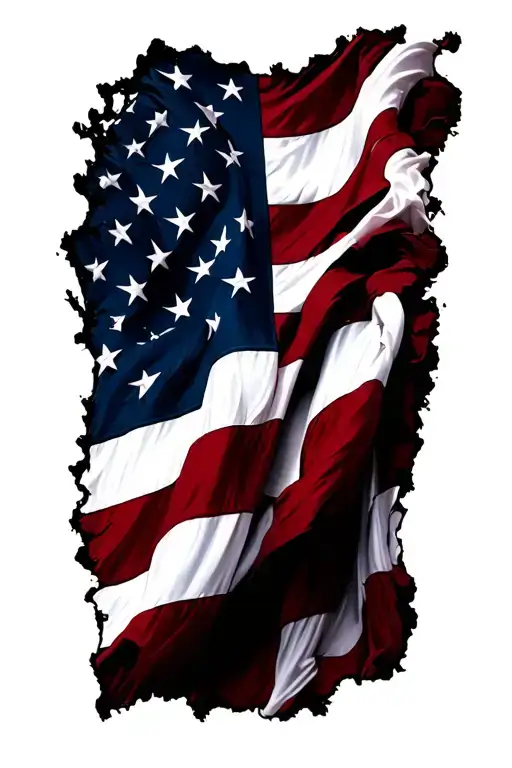 RealismGenerate similar →
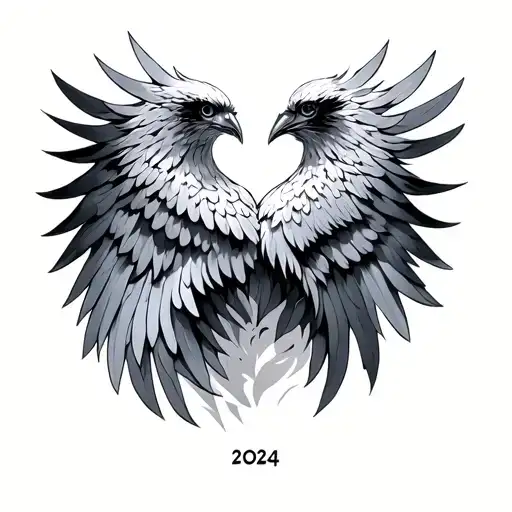 Black & greyGenerate similar →
Styles that hide scars best
Ranked by how well they cover — click to generate with that style preselected.
By body part
Jump to scars cover-ups for your placement.
Scars cover-up FAQ
Can you tattoo over scars?
In most cases, yes. A skilled artist assesses the area, then designs a cover that fully hides what's underneath. Our AI shows you realistic options first so you walk into the shop knowing what you want.
What designs hide scars best?
Organic, flowing designs — florals, waves, black & grey shading — disguise lines and edges better than rigid geometry. Darker, denser work covers more, which is why black & grey dominates cover-ups.
How much does a scars cover-up cost?
Expect to pay more than a fresh tattoo of the same size — a cover needs more ink, more planning and often a larger design. Planning the design up front (which is what this tool is for) keeps studio time, and cost, down.
Does the AI generator actually help?
It lets you try directions in seconds instead of guessing, so you arrive at your consult with a clear reference and a stencil. The output is a design idea to take to a human artist — not a substitute for one.